Aprogen hit the daily limit after raising expectations for clinical approval of its osteoarthritis drug candidate AP209 and patient dosing scheduled for August. DreamCIS jumped more than 10% as its subsidiary CuriBio reported a sixfold increase in big pharma-related revenue. Alteogen also gained after partner MSD secured a favorable ruling in a U.S. patent dispute involving Halozyme.
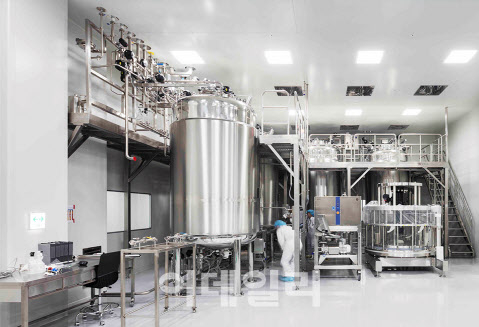
Aprogen’s Osong manufacturing plant. (Photo= Aprogen)
◇Aprogen AP209 Drives Limit-Up Rally
According to KG Zeroin MP DOCTOR, Aprogen closed at 6,760 won, up 30.0% (1,560 won) from the previous session, hitting the daily price ceiling.
The company said it is currently in discussions with South Korea’s Ministry of Food and Drug Safety after submitting an IND application in March for AP209, a first-in-class osteoarthritis treatment candidate based on its bispecific receptor platform technology. Aprogen expects clinical trial approval by late May or early June, with patient dosing set to begin in August.
The phase 1 study will evaluate safety and toxicity over four weeks in osteoarthritis patients, followed by additional months of treatment to assess efficacy.
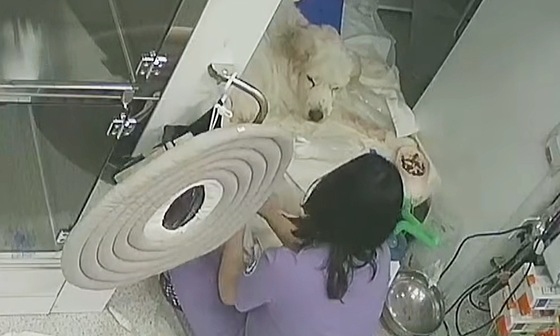
Aprogen emphasized encouraging preclinical data, noting that AP209 showed no significant side effects in studies involving more than 150 monkeys. The company also highlighted dramatic efficacy results in dogs with severe arthritis, claiming that beagles unable to properly walk regained near-normal mobility after treatment.
The company added that AP209 reduced osteoclast activity linked to cartilage destruction while maintaining osteoblast activity associated with cartilage formation.
An Aprogen official said, “Given that we have already held discussions with global big pharma companies, we believe a large-scale licensing-out deal could proceed smoothly once efficacy is confirmed in humans.”
Investors are paying attention to AP209’s potential as a DMOAD (Disease-Modifying Osteoarthritis Drug), which aims to fundamentally slow or reverse disease progression rather than simply relieve pain.
◇DreamCIS Big Pharma Revenue Surges
DreamCIS rose 10.09% to close at 7,420 won after announcing strong revenue growth at U.S.-based organoid company CuriBio, in which it holds a controlling stake.
According to the company, the proportion of revenue generated from big pharma clients increased from 5.6% in the first quarter of last year to 36.2% in the first quarter of 2026.
CuriBio’s client base now includes 13 global pharmaceutical companies, including Eli Lilly and Company, Novo Nordisk, Boehringer Ingelheim, and Vertex Pharmaceuticals.
The market focused not only on revenue growth but also on improving revenue quality. Government and grant-related revenue fell sharply from 23.8% to 0.6%, while recurring commercial revenue from pharma and distributors increased significantly.
Industry observers believe CuriBio is benefiting from growing global interest in non-animal testing methods, including AI- and organoid-based NAMs (New Approach Methodologies), amid regulatory changes in the U.S. and Korea.
A DreamCIS official said, “This quarter marks the beginning of CuriBio’s transition toward a sustainable commercial revenue structure.”
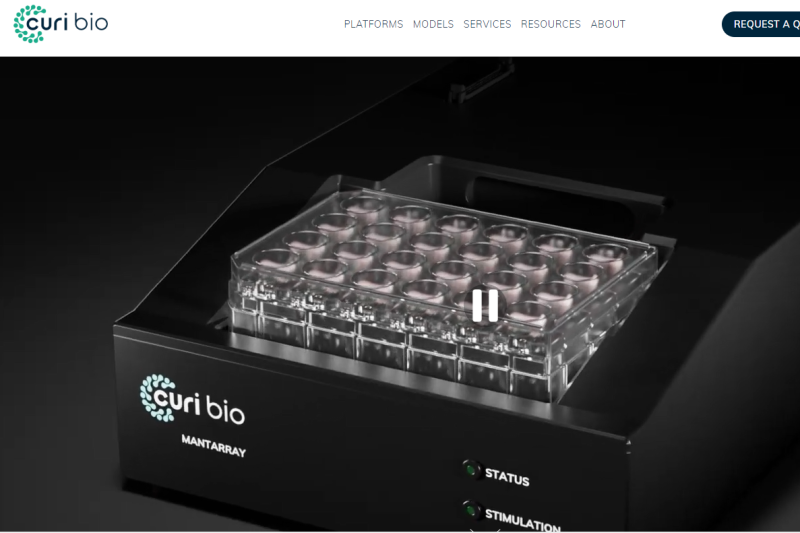
CuriBio homepage. (Captured by reporter Kim Ji-wan)
◇Alteogen Patent Risk Eases
Alteogen gained 3.51% to close at 354,000 won after MSD won a Post-Grant Review (PGR) case at the U.S. Patent Trial and Appeal Board (PTAB) against Halozyme Therapeutics.
The PTAB invalidated Halozyme’s U.S. patent No. 11,952,600 related to MDASE technology. The ruling was the first final written decision among multiple PGR cases filed by MSD.
MSD has been challenging Halozyme’s patent portfolio since November last year as it prepares to commercialize the subcutaneous (SC) formulation of Keytruda, known as “Keytruda Qlex.”
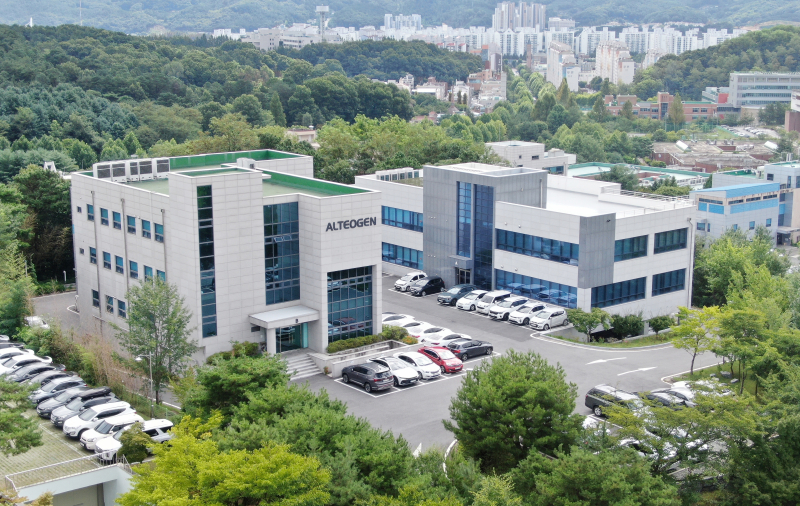
(Photo= Alteogen)
The PTAB ruled that the patent failed to sufficiently support and enable the broad range of claimed variants.
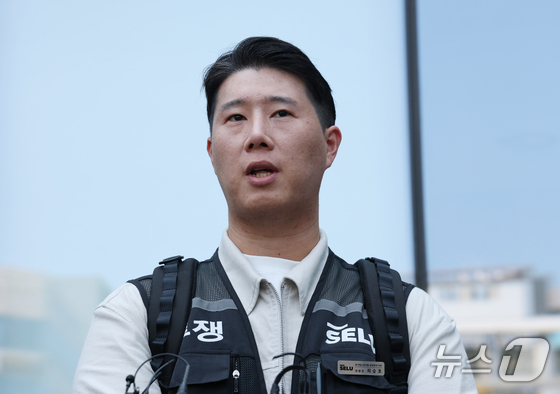
Alteogen CEO Jeon Tae-yeon said, “The invalidation of Halozyme’s MDASE patent significantly reduces potential legal risks surrounding Keytruda Qlex.”
The market believes the decision could strengthen Alteogen’s ALT-B4 hyaluronidase platform business. Alteogen is eligible to receive up to $1 billion in sales milestones and additional royalties tied to Keytruda Qlex sales.
Keytruda Qlex is already being sold in the U.S., and analysts expect adoption of the SC formulation to accelerate following the implementation of a permanent J-code last month, simplifying reimbursement and hospital billing procedures.